


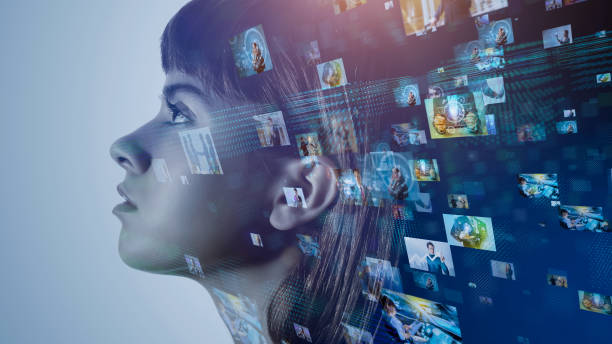
Personal branding has long been built on visibility. Whether through headshots, video messages, or daily social posts, creators and professionals have relied on showing their real faces to connect with audiences. But a new shift is emerging in the digital world. Many people no longer want to appear on camera every day, and others prefer more creative or stylized representations of themselves. This shift has ushered in the rise of avatar content, where artificial intelligence transforms static images into expressive videos that act as stand-ins for the creator.
AI image to video technology enables anyone to build a presence that feels personal yet polished, without the pressure of filming themselves constantly. From influencers to educators to entrepreneurs, more people are leaning into avatar based content as a way to protect privacy, maintain consistency, and express creativity. As the creator economy becomes more competitive, avatar content is becoming a defining element of next generation personal branding.
Why is avatar based content growing so quickly among creators?
Avatar based content is growing rapidly because it strikes a balance between authenticity, creativity, and convenience for modern creators.
Research from Hootsuite shows that 43 percent of creators experience burnout from the constant pressure to appear on camera. Many say they feel the need to look presentable, perform energetically, and maintain visual consistency, which can be exhausting. Avatar content removes that pressure. A single image can represent the creator across dozens of videos without requiring repeated filming sessions.
Another driving factor is privacy. Not all creators want their identity fully visible online. Some prefer partial anonymity for safety, professional boundaries, or stylistic reasons. Avatar content allows creators to remain relatable without exposing their real life environment or appearance.
This type of content also aligns with digital culture. Animated personas are common in gaming, fandom communities, and virtual influencers. As audiences become more comfortable interacting with digital characters, creators gain more freedom to present themselves in non traditional ways.
How does AI image to video technology enable avatar content?
AI image to video technology enables avatar content by animating still photos and illustrations to mimic humanlike motion, facial expressions, and gestures.
The system identifies the structure of the face or body, predicts how it should move, and applies motion patterns such as speaking, dancing, or reacting. This creates videos that feel dynamic even though the avatar never physically moves in real life. Because the motions can be updated endlessly, creators can reuse the same avatar in countless pieces of content.
This eliminates one of the biggest barriers to consistency. Instead of worrying about matching lighting, outfits, or hairstyles, creators can maintain a stable brand identity through a single digital persona.
In the middle of this rising trend, creators often use tools like ai image to video by Viggle AI to convert static photos into animated avatars quickly. These tools allow beginners and experienced creators alike to produce expressive video content without cameras or editing software.
What makes avatar content uniquely powerful for personal branding?
Avatar content is uniquely powerful because it combines the creator’s essence with visual flexibility that traditional branding cannot offer.
A well designed avatar can reinforce brand values, personality traits, and aesthetic preferences. For example, a business consultant might use a clean, professional avatar to maintain authority while avoiding the exhaustion of being camera ready. A gaming creator might design a stylized character that fits into their niche. An artist could animate self portraits that match their artistic medium.
Consistency is another strength. Avatars look the same across every piece of content, which strengthens brand recognition. Traditional video production often varies based on location, lighting, or mood, but avatars remain stable. This consistency builds trust over time.
Avatar content also allows for more dramatic storytelling. Creators can place avatars into scenes that would be impractical to film, such as fantasy environments, futuristic settings, or surreal animations. These creative possibilities make content more engaging and memorable.
Which types of creators benefit the most from avatar based video content?
Many categories of creators are embracing avatar content because it suits their workflow, audience, or branding goals.
Some of the most common include:
- Camera shy creators who want to build a strong presence without appearing on video.
• Entrepreneurs who want scalable brand visuals for marketing.
• Educators and trainers who animate portraits for course modules.
• Influencers who want polished, aesthetic content without daily filming.
• Artists and designers who animate their sketches or illustrations.
• Fandom and gaming creators who use character avatars instead of real faces.
• Virtual influencers who operate entirely through digital personas.
A surprising trend is the number of professionals using avatar content for corporate branding. Instead of recording themselves for every announcement or training video, leaders use animated photos to maintain a personal touch while streamlining production.
How does avatar content help creators produce more content with less effort?
Avatar content dramatically increases content output by removing the time and energy required for filming, editing, and maintaining on camera presence.
Creators no longer need to:
- Set up cameras or lighting
• Worry about appearance
• Re film mistakes
• Edit out pauses or filler words
• Match visuals across different shoots
Instead, they upload an image, select motion, and generate multiple versions for different platforms. This shorter workflow allows creators to post daily or even multiple times a day without burnout.
This is especially important in the creator economy, where frequency drives growth. Studies from Later show that creators who post at least five times per week grow nearly twice as fast as those who post sporadically.
Avatar content also allows creators to stay active during busy weeks, travel, illness, or when they simply do not feel like being on camera. The avatar carries the brand forward even when the creator is offline.
What are the limitations of avatar based AI videos?
While powerful, avatar content does have limitations that creators should understand.
AI may struggle with:
- Highly complex poses
• Unusual facial angles
• Images with shadows or obstructions
• Clothing with intricate patterns
• Fast or high precision motion
These limitations occur because the AI must infer missing details from a single image. While results are improving rapidly, some animations may appear stylized rather than photorealistic.
Additionally, avatar content should complement rather than replace human presence for creators who rely heavily on personality driven content. Audiences enjoy authenticity, so mixing real videos with avatar animations often creates a healthy balance.
Ethical considerations also matter. Creators should avoid animating images of other people without permission to ensure responsible use of AI technology.
Conclusion
Avatar content is transforming personal branding by making it easier for creators to express themselves without the challenges of constant on camera filming. AI image to video technology empowers individuals to turn simple images into dynamic videos that reflect their personality and style. As more creators seek privacy, consistency, and creative freedom, avatar based content will continue to grow. The result is a more inclusive creator landscape where anyone can build a compelling digital identity, whether or not they choose to show their real face.
