


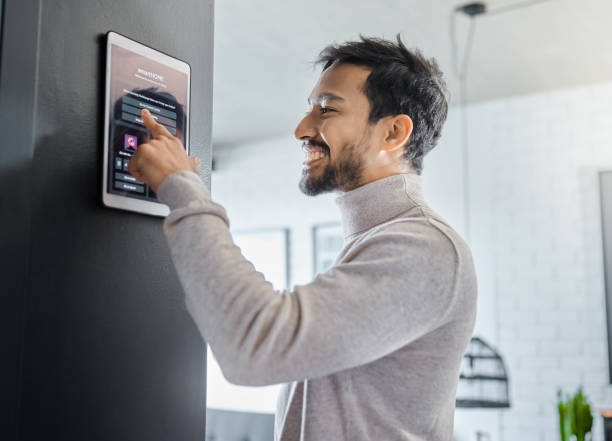
Introduction: Why the Future of Smart Homes Matters
The future of smart homes is one of the most exciting trends in modern living. As technology continues to advance, our homes are evolving into intelligent, connected ecosystems that make life easier, safer, and more sustainable. In the United Kingdom and across the globe, smart homes are no longer futuristic concepts; they are becoming mainstream essentials.
Whether it’s automated heating that saves energy, AI-driven appliances that learn your routines, or security systems that adapt to your lifestyle, the future of smart homes promises to redefine the way we live. This article explores the upcoming innovations, benefits, and challenges while offering insights into how these changes will shape our daily lives.
What Defines a Smart Home Today?
Before we dive into the future, let’s understand what a smart home is today. At its core, a smart home integrates internet-connected devices and systems that allow residents to control and monitor aspects of their environment remotely or automatically. These include:
- Smart thermostats (like Nest or Hive)
- Voice assistants (Amazon Alexa, Google Home, Apple Siri)
- Connected security systems (CCTV, smart doorbells, locks)
- Energy-efficient lighting and appliances
- Automated heating and cooling systems
While these innovations make homes more convenient and efficient, the future of smart homes goes much further—moving from reactive systems to predictive, intelligent, and autonomous environments.
Key Technologies Shaping the Future of Smart Homes
Artificial Intelligence and Predictive Automation
The biggest leap forward in the future of smart homes is artificial intelligence (AI). Instead of simply responding to commands, homes will anticipate needs. Imagine a system that learns your daily routine: dimming the lights when you prepare for bed, adjusting heating based on outdoor conditions, or starting the coffee machine before you wake up.
AI-powered predictive automation will transform smart homes into proactive spaces that adapt seamlessly, saving energy while improving comfort.
Interoperability and Universal Standards
One of the current challenges with smart homes is device fragmentation—different brands don’t always work together. The future of smart homes will rely on universal standards like Matter and Thread, ensuring devices communicate smoothly across ecosystems. This means you won’t need to worry about whether your new smart fridge will connect to your voice assistant—it simply will.
Smart Energy and Sustainability
Sustainability is at the heart of the future of smart homes. Homes will increasingly integrate with renewable energy sources, using solar panels, home batteries, and smart grids. Automated systems will optimise energy consumption, reducing bills and environmental impact. Imagine a home that charges your electric car overnight using off-peak electricity and even sells excess energy back to the grid.
Health and Wellness Integration
The future of smart homes goes beyond convenience—it’s about well-being. Smart homes will feature advanced health monitoring, from air quality sensors to sleep tracking. For example:
- Intelligent ventilation systems maintaining clean air
- Water quality monitoring for safer drinking
- Integration with healthcare platforms to track personal health data
Such innovations make homes healthier, safer spaces for families.
Security and Privacy Innovations
As homes become more connected, security is a top concern. The future of smart homes will feature biometric authentication, AI-driven anomaly detection, and stronger encryption. Instead of relying solely on cameras, systems will monitor unusual behaviour—like a door left open at night—and alert you instantly.
Privacy will also improve, with more local data processing to reduce reliance on external servers, giving residents greater control over their information.
Edge Computing and Localised Control
Currently, many smart devices rely heavily on cloud computing. The next generation will shift to edge computing, where devices process data locally. This reduces latency, improves reliability, and enhances privacy. The future of smart homes will ensure that even if the internet is down, your home remains functional and secure.
How Smart Homes Will Transform Everyday Living
The future of smart homes isn’t just about gadgets—it’s about transforming lifestyles. Here’s what daily life may look like:
- Morning Routine: Your blinds open gently, coffee brews automatically, and the heating adjusts before you wake up.
- Work from Home: Smart lighting and noise-cancelling systems create the perfect environment for productivity.
- Evening Relaxation: Your entertainment system tailors sound and visuals to your mood while ensuring optimal energy efficiency.
- Safety First: Motion detectors, leak sensors, and health monitors provide peace of mind.
Smart homes will become intuitive partners, making everyday life more comfortable, sustainable, and personalised.
The UK Market Outlook for Smart Homes
In the UK, the smart home sector is expanding rapidly. According to market reports, the adoption of smart home technology is projected to grow significantly over the next decade. Factors driving this growth include:
- Rising energy costs, encouraging energy-efficient solutions
- Government incentives for sustainable living
- Growing interest in security and health-focused devices
- Increasing availability of affordable smart home kits
By 2030, smart home technology is expected to be a standard feature in new builds across the UK.
Opportunities and Challenges
While the future of smart homes holds enormous promise, it comes with opportunities and challenges:
Opportunities
- Energy savings and sustainability
- Improved security and health monitoring
- Seamless, intuitive living experiences
- Economic growth through new industries and jobs
Challenges
- High upfront costs for advanced systems
- Privacy and data security concerns
- Potential device conflicts without proper standards
- Dependence on reliable infrastructure
The winners will be those who create solutions that balance innovation with user trust, affordability, and simplicity.
Frequently Asked Questions
1. What is the future of smart homes?
The future of smart homes lies in AI-driven automation, sustainability, improved security, and health integration. Homes will move from reactive devices to intelligent, proactive systems.
2. How will smart homes impact daily life?
Smart homes will anticipate needs, automate routines, and create healthier, more secure, and energy-efficient environments, enhancing comfort and convenience.
3. Are smart homes secure?
Security is a challenge, but advancements in encryption, biometric access, and localised data processing will make the future of smart homes more secure than today.
4. Will smart homes be affordable?
Yes, as technology becomes mainstream, prices are expected to drop. Many entry-level systems are already available at accessible price points.
5. How are smart homes sustainable?
They reduce energy consumption through automated control, integration with renewable energy, and participation in smart grids.
Conclusion: The Road Ahead for Smart Homes
The future of smart homes is more than just convenience—it represents a transformation in the way we live. With AI, sustainability, and security at the forefront, tomorrow’s homes will be intelligent, eco-friendly, and health-conscious. In the UK, these innovations will not only reduce energy bills but also enhance quality of life.
As we look ahead, the challenge lies in balancing innovation with privacy, accessibility, and reliability. The vision of smart homes is clear: to create living spaces that adapt, evolve, and empower residents for generations to come.
Are you excited about the future of smart homes? Share your thoughts in the comments, subscribe for more tech insights, and explore how you can start upgrading your home today! Read More Post
